Fatherhood, the Problem: Why the Absence of Fathers Keeps Getting Worse
Fatherhood, the Problem: Why the Absence of Fathers Keeps Getting Worse

Photo by Simbarashe Takawira on Unsplash
Fatherhood, the problem is not a small issue at the edge of society. It is sitting right in the middle of the family, the home, and the future of children. When fathers are absent, distracted, overworked, or spiritually disconnected, the effects do not stay contained. They spread.
And to be clear, this is not just about a dad physically leaving the house. Sometimes fatherhood, the problem shows up when a man is in the home but unavailable in heart, mind, and spirit. He is there, but he is not really there. That matters more than a lot of people want to admit.
If we are going to speak honestly about this, then we have to start here. Fatherhood is not just a social role. It is a God-given ministry.
Why fatherhood matters so much
A father is meant to reflect something of the Heavenly Father. Not perfectly, because no man is perfect, but truthfully. Fathers are called to provide, protect, teach, guide, and love. That is not random. That is design.
When a father is operating the way God intended, the home is shaped by order, care, accountability, and security. Children are not only fed. They are formed. They learn what love looks like, what discipline looks like, what truth sounds like, and what strength with humility feels like.
That is why fatherhood, the problem is so serious. When the father’s role is weakened, neglected, or attacked, the family feels it almost immediately.
The real battle behind the problem
There is a spiritual side to this that cannot be ignored. The enemy does not attack things that do not matter. The enemy attacks what reflects God’s order. Fathers matter, so fathers are targeted.
That attack is not always obvious. Sometimes it comes through confusion. Sometimes through pressure. Sometimes through culture. Sometimes through systems that make it harder and harder for a man to do what he knows he is supposed to do.
One of the most subtle ways this happens is through the twisting of good things. A father should provide. That is good. A father should work. That is good. A father should take responsibility. That is good.
But when those truths are pushed out of balance, they can be used against the family itself. A man can get so consumed with providing that he slowly stops being present. He is still doing something good, but the good thing has started crowding out another essential calling.
When provision starts replacing presence
A lot of fathers are under real pressure right now. The cost of living is high. Gas is high. Food is high. Housing is high. Everything feels heavier than it used to. And even men who are working hard, staying out of trouble, getting degrees, and doing things the right way can still feel like they are barely staying afloat.
That creates a painful dilemma.
- Do I pick up the extra job?
- Do I work longer hours?
- Do I sacrifice time with my children just to keep the bills paid?
- Do I trust God and hold the line on family time, even if money stays tight?
That is not a theoretical struggle. That is where many fathers live every day.
And this is where fatherhood, the problem gets deeper than a simple slogan. A father may not want to neglect his children. He may be sacrificing himself for them. He may be exhausted trying to hold everything together. But if all his energy goes to work, then his children still experience a form of absence.
Children need provision, yes. But they need more than money. They need time. They need instruction. They need attention. They need godly presence.
Culture does not make this easier
The culture sends mixed messages to men. On one hand, a man is expected to provide, perform, produce, and carry weight. On the other hand, when he tries to step seriously into his role as father, husband, and leader, that same culture can push back and treat biblical manhood like a threat.
That confusion has consequences. Men are told to be strong, but not too strong. To lead, but not too clearly. To be present, but also constantly hustling. To carry responsibility, but somehow not claim authority.
That tension wears on a man. And if he does not stay grounded in God’s design, he can start defining fatherhood by the world’s standards instead of God’s.
That never ends well.
Absent does not always mean gone
One of the hardest truths in this conversation is that a father can be physically present and still absent where it counts.
A man can be in the house and unreachable. He can be at the table but mentally somewhere else. He can be working from home and still never truly give his child his attention. He can hear “Dad, play with me” a hundred times and keep putting it off until the years are gone.
And the years do go.
Children are only little for a little while. That season does not last. One day the little child with the ball becomes a grown adult with distance in his heart. By then, a father may realize he stayed busy through moments he can never recover.
That is another reason fatherhood, the problem is so urgent. Time does not pause while we figure it out.
How this shows up across different homes
The pressure on fathers can look different depending on the situation, but the damage of absence can show up anywhere.
In wealthier homes
A father may be consumed by deals, travel, meetings, and business demands. The family is financially supported, but the children may still grow up without meaningful time with him.
In middle-class homes
This is where many families feel the squeeze most sharply. A father is trying to do right, but inflation and everyday costs keep tightening the pressure. The question becomes whether to take on more work or preserve time with the family.
In poorer homes
The struggle often gets intensified by broken systems, government dependency, and the removal of the father from the home. In many cases, mothers end up carrying both roles, and children grow up without the stability that a present father should have provided.
Different settings, same wound. Fatherhood, the problem does not belong to one class.
The generational side of this crisis
Some men are absent because they never learned how to be present. Their own fathers were missing, detached, or inconsistent. So now they are trying to father without a model.
That does not excuse the damage, but it does help explain the confusion.
Many men know they should lead, teach, guide, and love, but they do not know what that looks like in everyday life. Nobody showed them. Nobody discipled them. Nobody sat down and gave them a living picture of faithful fatherhood.
That is why the answer cannot just be “try harder.” Men need more than pressure. They need truth, healing, and direction from God.
God is the standard for fathers
No earthly father is the ultimate standard. Men are fallible. Even the best fathers have limits, blind spots, and failures. God alone is the perfect Father.
That truth matters because it keeps fathers humble, and it gives them a place to learn. God teaches men how to father. He shows patience, correction, love, protection, and mercy. He wants what is good for His children. He grieves when His children go astray. He does not stop being Father because His children struggle.
That is part of why children are such a weighty gift. They help fathers understand, even in a small way, the heart of God. When a child breaks your heart, you begin to grasp something about how rebellion wounds the Father. When you want the best for your child and they resist it, you get a glimpse of His love and His grief.
So if a man wants to become a better father, he has to start by drawing near to God.
What fathers need to remember right now
The answer is not irresponsibility. This is not a message against work or providing. Fathers are called to provide. That is honorable. But fathers cannot let provision become a substitute for presence.
Some hard decisions may need to be made. Some fathers may need to trust God in uncomfortable ways. Some may need to turn down extra money in order to preserve what matters most. Some may need to repent for being emotionally absent even while physically around.
What children remember most is not usually the overtime shift that kept things afloat for another month. They remember whether dad was there. Whether he listened. Whether he taught. Whether he prayed. Whether he made them feel seen.
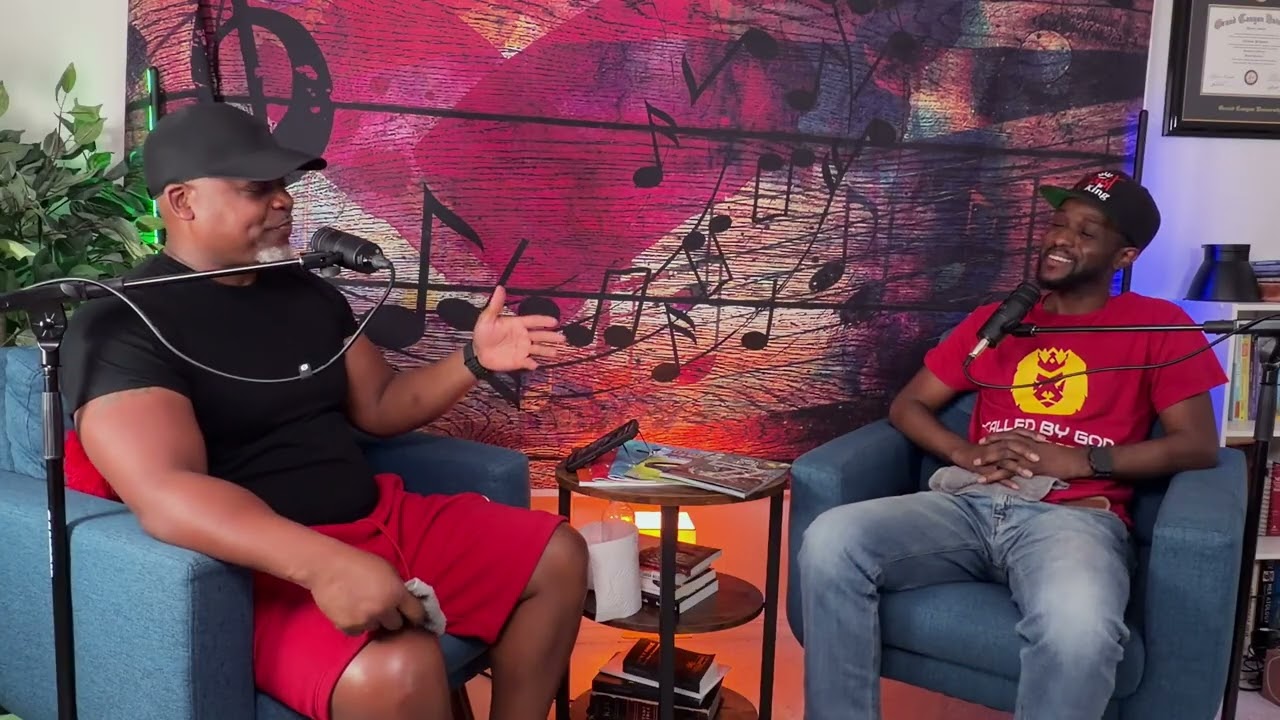
If this conversation resonates, there are more reflections on related conversations here, and the audio version is also available on the podcast platforms.
Fatherhood is ministry
This is the part that must not be missed. Children are not interruptions to a father’s calling. They are part of his calling.
They are not a side assignment. They are ministry.
That means spending time with your children is not extra. Teaching them is not optional. Guiding them is not something to squeeze in after everything else. It is holy work. It is kingdom work. It is fatherhood.
And that is why fatherhood, the problem deserves urgent attention. When fathers disappear, whether physically, emotionally, mentally, or spiritually, children pay for it. Families pay for it. Society pays for it.
But when fathers return to God’s design, homes can begin to heal.
The clock keeps moving. Children keep growing. The opportunity to be present is precious, and it does not come back once it is gone. A father who understands that will start to see his time not just as a schedule issue, but as stewardship before God.
That is the heart of the matter. Fatherhood is not just responsibility. It is ministry. And if we are honest about fatherhood, the problem, we might finally become serious about the solution.